
How are Improv for Real Life workshops different from other improv experiences in Seattle?
Community building is at the center of what we do. You will receive high-quality training in improvisational theatre and performance skills while building connections.
In every Improv for Real Life class or workshop, we provide facilitated opportunities to you to make meaningful connections with the other folks in the class and help you understand how the improv concepts we’re learning about apply to your real life (hence our name!). We want you to take the improv mindset beyond the classroom.
Workshop or class series?
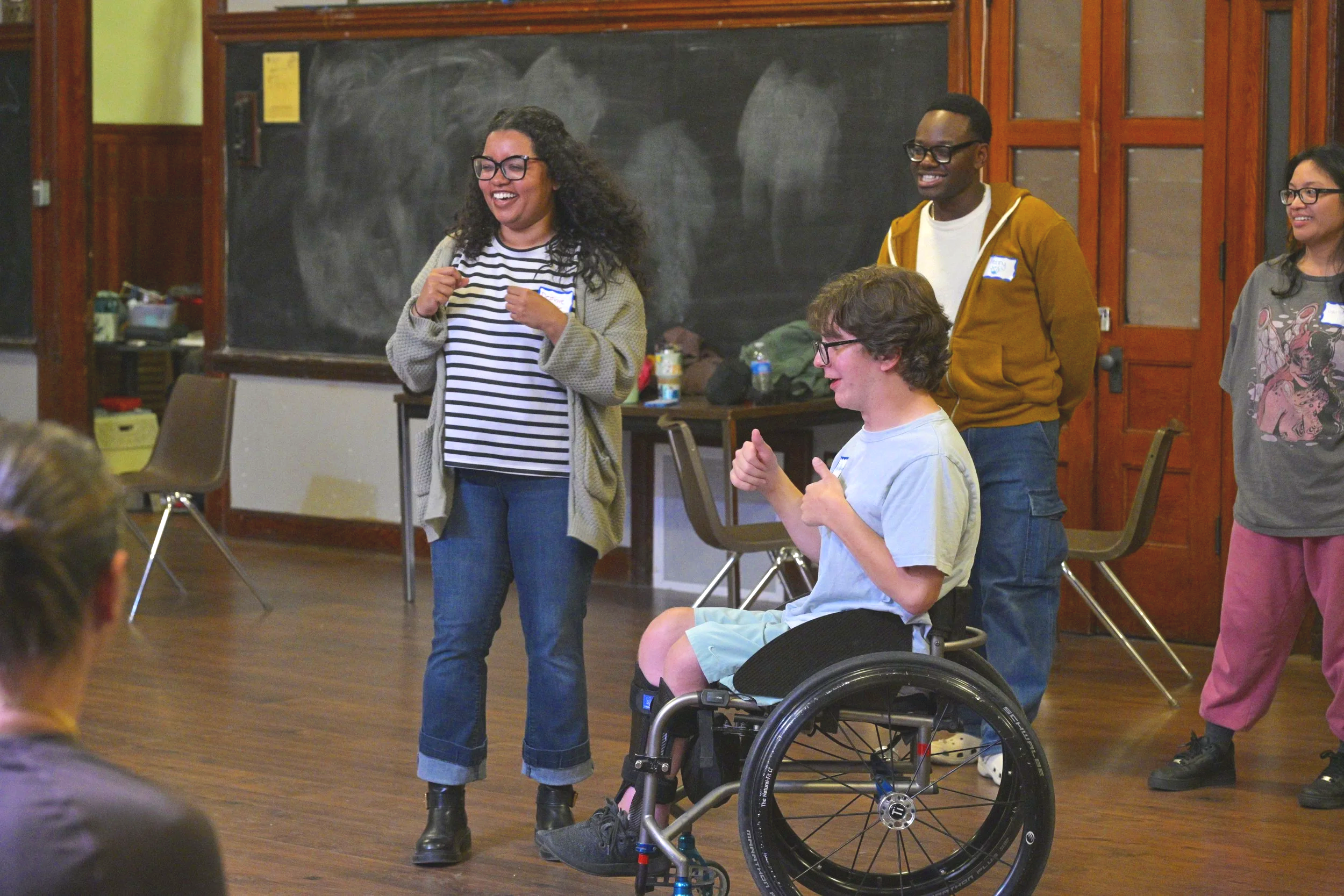
Our one-off workshops are perfect for dipping your toes in: spend a few hours breaking the ice, meeting new people, and experiencing how improv can transform the way you connect. They're designed as fun, low-commitment social events where you'll leave energized and maybe even with plans to grab drinks after.
Our weekly class series, on the other hand, is where real transformation happens. Meeting consistently over several weeks allows you to build genuine friendships with your classmates, develop skills that become second nature, and create the kind of supportive community that extends far beyond class time.
Think of workshops as a great first date with improv and social connection. The series is where you actually build the relationships (with both improv skills and your classmates).
The same principles that make great improv (active listening, spontaneity, vulnerability, and a collaborative spirit) are the same skills that can help you turn acquaintances into friends.
You'll leave our classes not only as a more skilled improviser, but as someone who knows how to say “yes, and” in real life.
Why use improv for community building?
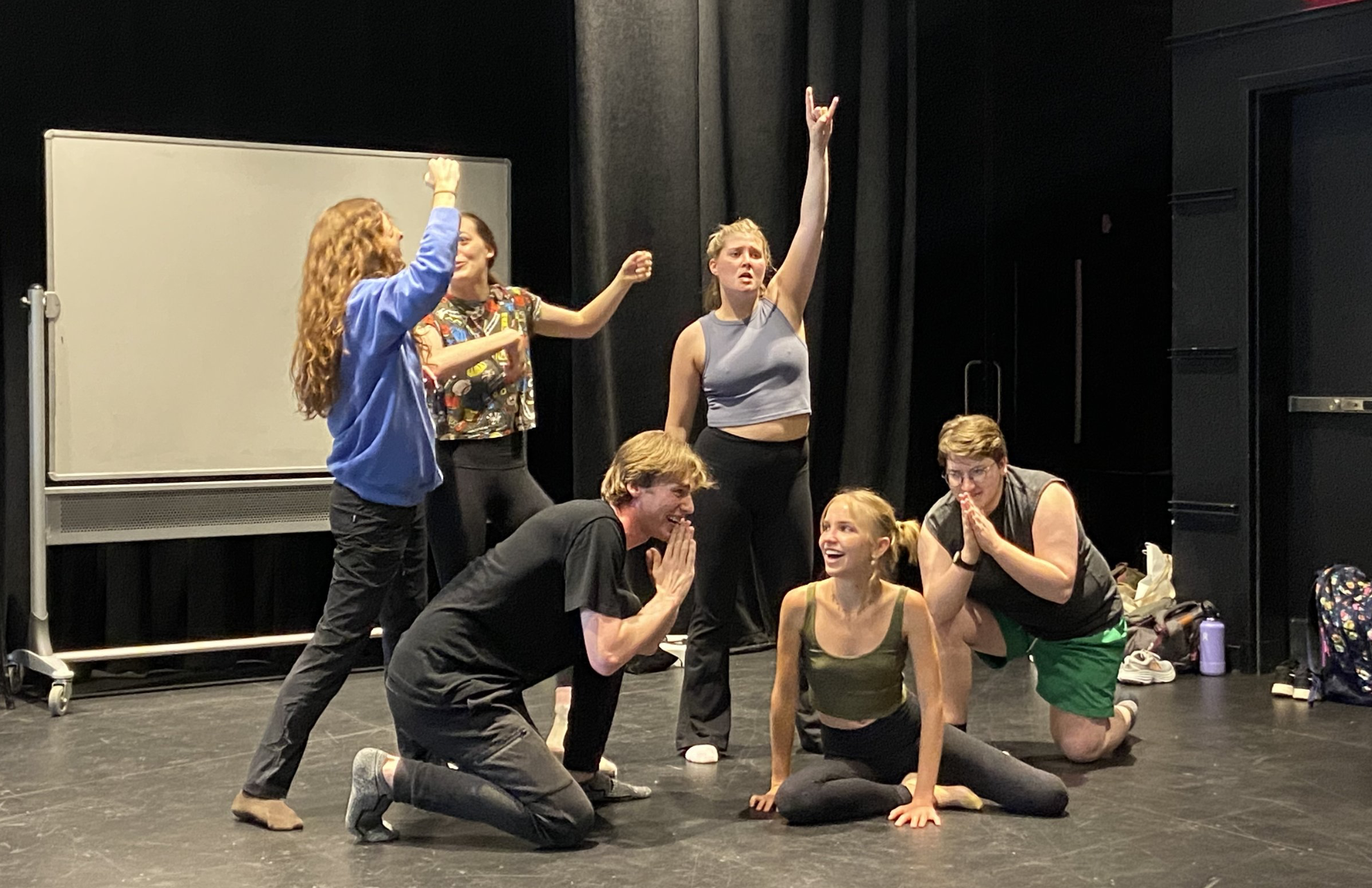
There’s a lot of research out there that indicates that improv, and that playing in general, helps us cope with stress and lead happier lives. A 2020 study found that participating in improv improves well-being, creativity, and an ability to tolerate unpredictability. Similarly, a 2019 study found that participating in improv increased hope, creativity, and willingness to take risks, even among people with social phobias.
Practicing the improv mindset can help you learn to enter social situations with curiosity and excitement rather than fear.
Beginners welcome!
Beginners are enthusiastically encouraged to attend! Being “good at improv” is not the point -- think of improv as being a means to an end, where friendship is the end goal. While I firmly believe that everyone is inherently creative, you don’t need to identify as a “creative type” to get a lot out of this experience.